EXPEDITION +
MISSION AMP ANTARCTIQUE – PERSEVERANCE 2026
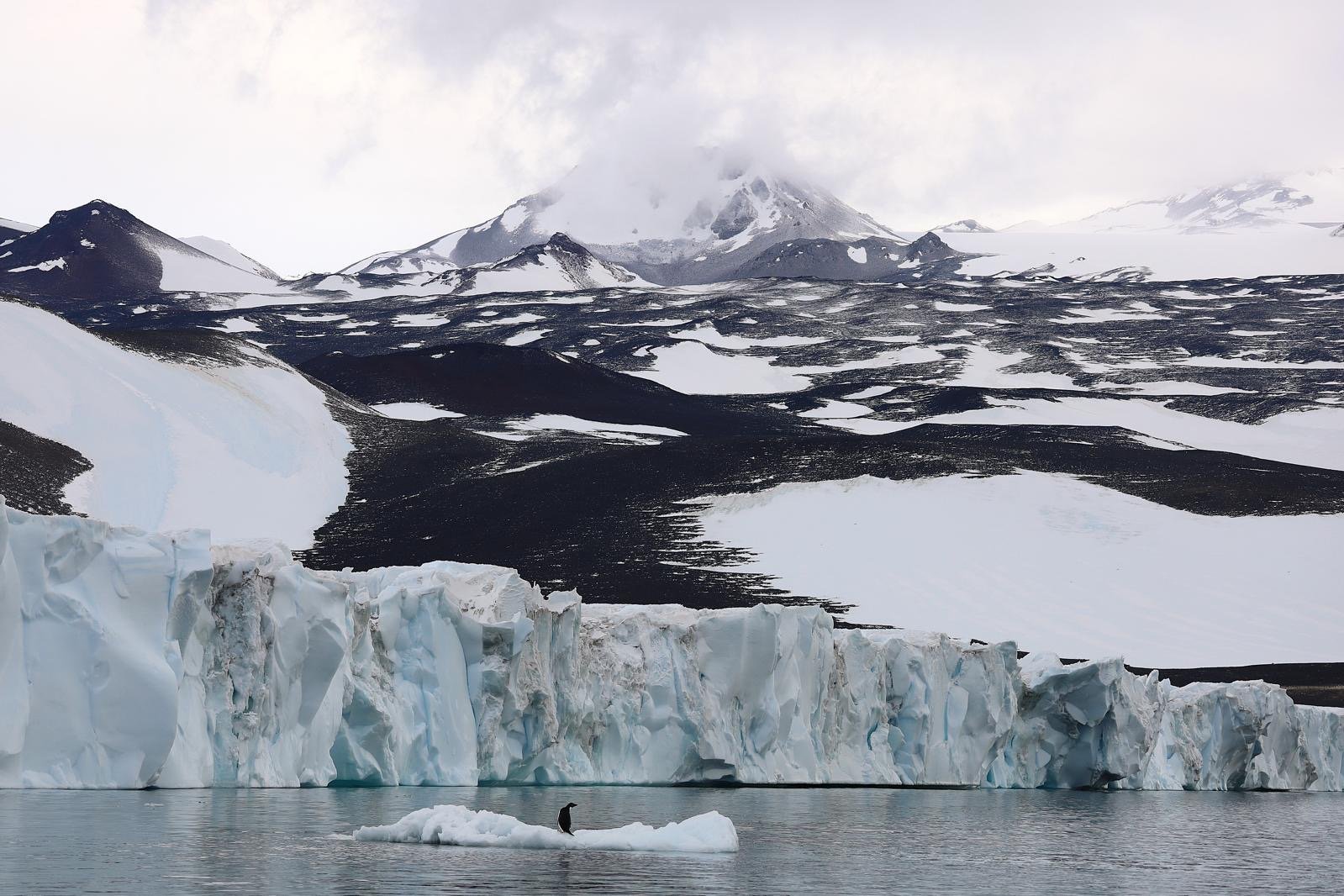
The Southern Ocean remains the least studied ocean on the planet, despite its crucial role in regulating the global climate.
Current limitations of research:
• Extreme sailing conditions restrict scientific missions to a few weeks during the austral summer.
• In winter, when climatic mechanisms are most intense and structuring, there is no human presence or research activity.
A gap with major consequences:
• The Southern Ocean absorbs nearly 40% of the CO2 captured by all the oceans.
• It drives major currents that regulate Earth’s climate.
• Without continuous observations covering all seasons, climate models remain incomplete and forecasts uncertain. The scientific community is now expressing an urgent need for ambitious, sustainable research programs capable of operating year-round in this key ocean.
Our expedition addresses this need.
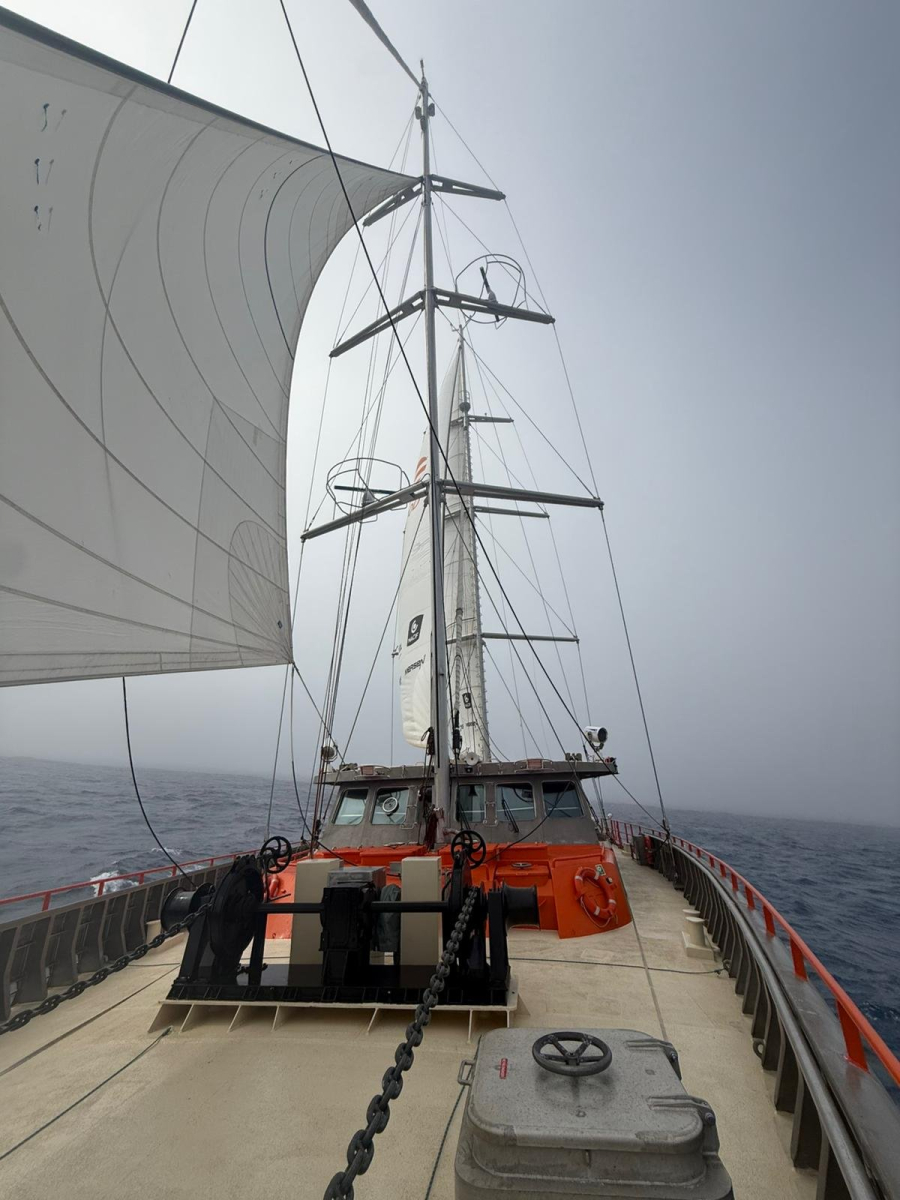
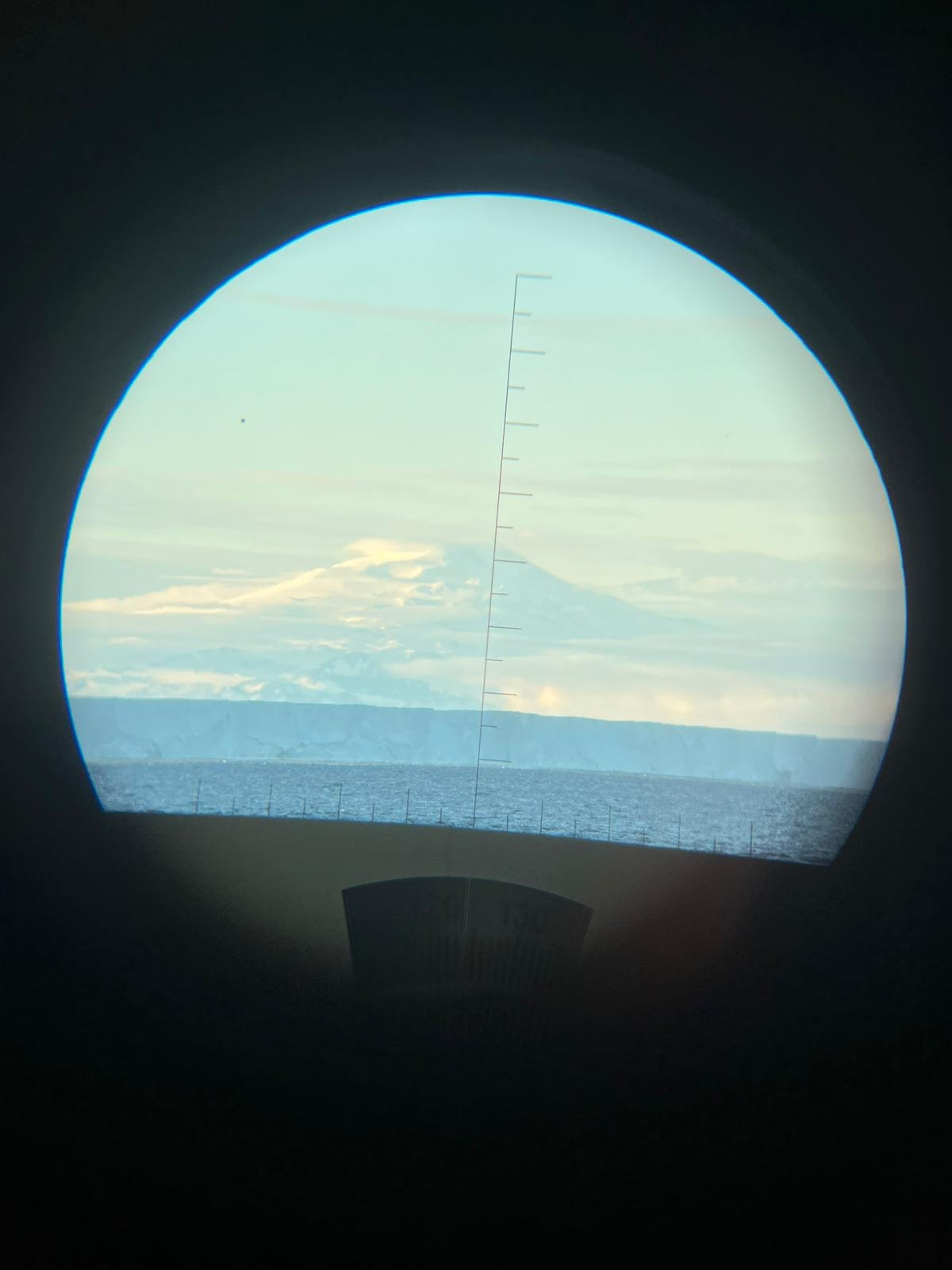
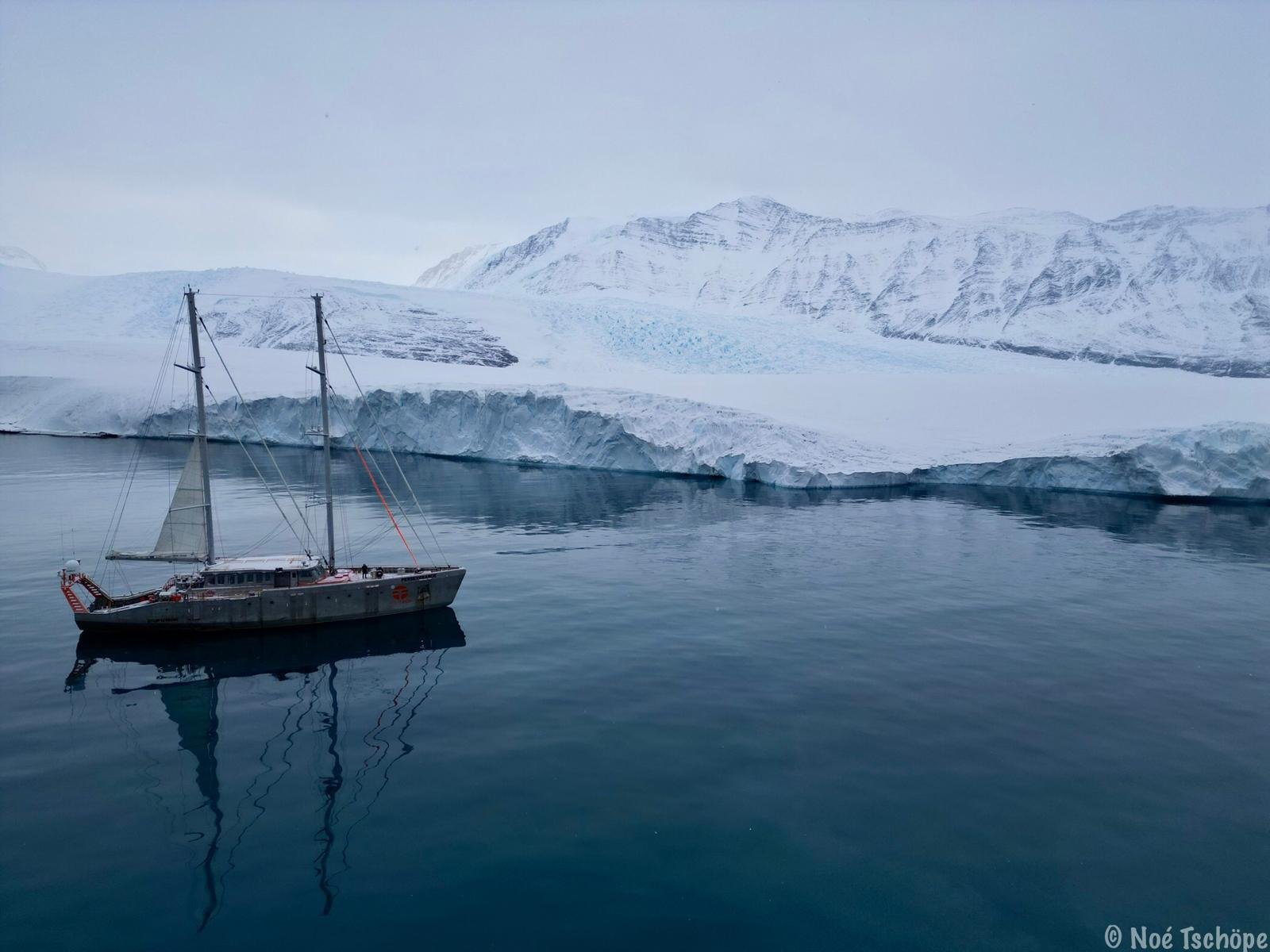
From 2026 to 2029, PERSEVERANCE will conduct a long-term scientific campaign in the Southern Ocean, between the Ross Sea and the Dumont d’Urville Sea, two key regions for global climate and ecological balance. This expedition has two objectives: to study the seasonality of the Southern Ocean and to support international efforts for the creation of Marine Protected Areas (MPAs).
- To understand the regulatory mechanisms of the oceans in the face of climate change (stratification, oxygenation, deep circulation).
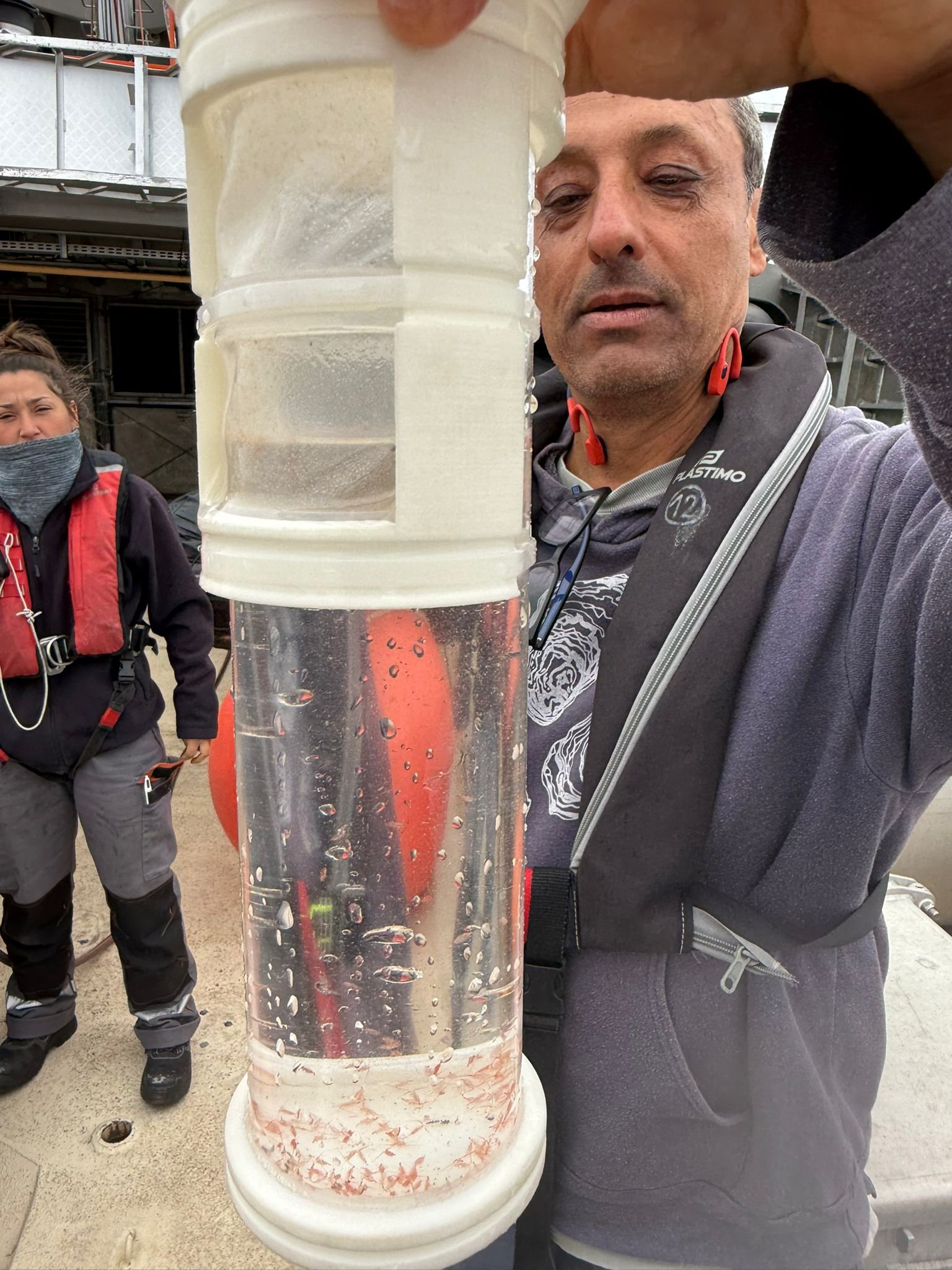
- To document the evolution of marine biodiversity across the entire food chain, from microbes to krill, to large mammals.
- To monitor the dispersal and impacts of persistent pollutants (microplastics, chemical contaminants, heavy metals).
- To support international efforts for the creation of the Dumont d’Urville-Mertz MPA and to support the maintenance of the Ross Sea MPA, the largest MPA in the world.
The Southern Ocean remains the least studied ocean on the planet, despite its crucial role in regulating the global climate.
Current limitations of research:
• Extreme navigational conditions restrict scientific expeditions to a few weeks during the austral summer.
• In winter, when climatic mechanisms are most intense and influential, there is no human presence or research activity.